
Poems Off a Duck's Back
On the Mystery of Receptivity to Poetry

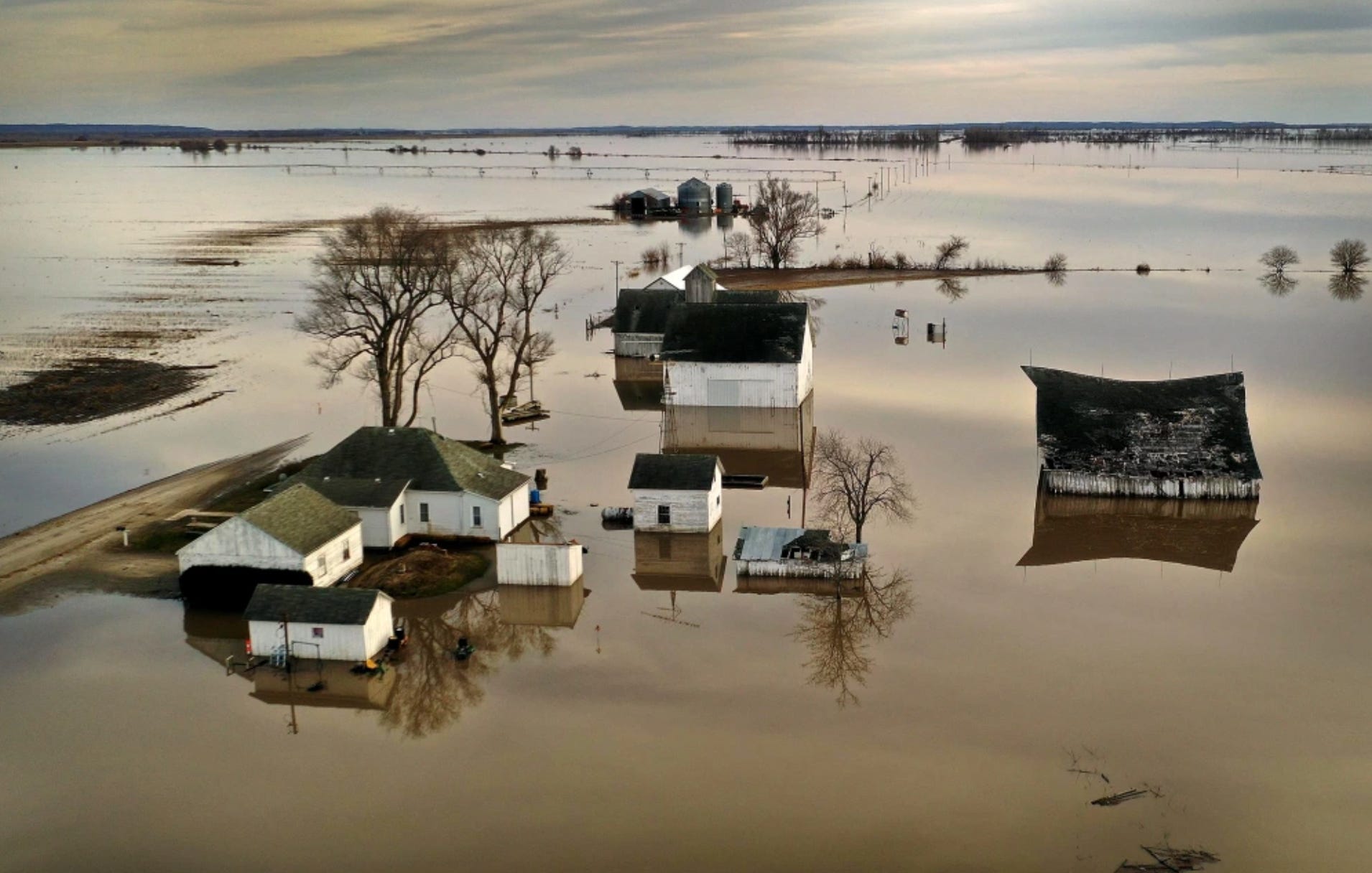
So already, on Memorial Day weekend 2026, the national news was filled with reports of torrential rainfall about to foment flooding1 in some parts of the country, and of drought poised to hamper the growing season or fuel the wildfire season in others.
This past month, I’ve made three out-of-town trips. That’s meant fewer afternoons in the reading room of my local public library and fewer words scribbled on lined notepads or on random scraps of paper seized in the moment to capture a question, line, or title before it fleeted away. A pinging phone, an obligation needing to be met before one leaves town, even a welcome surprise—all of these easily whisk away flashes of imagination and inspiration. And this is especially painful when the imagination has been experiencing a dry spell, and these banished flashes seem like they might have been literary lifelines.
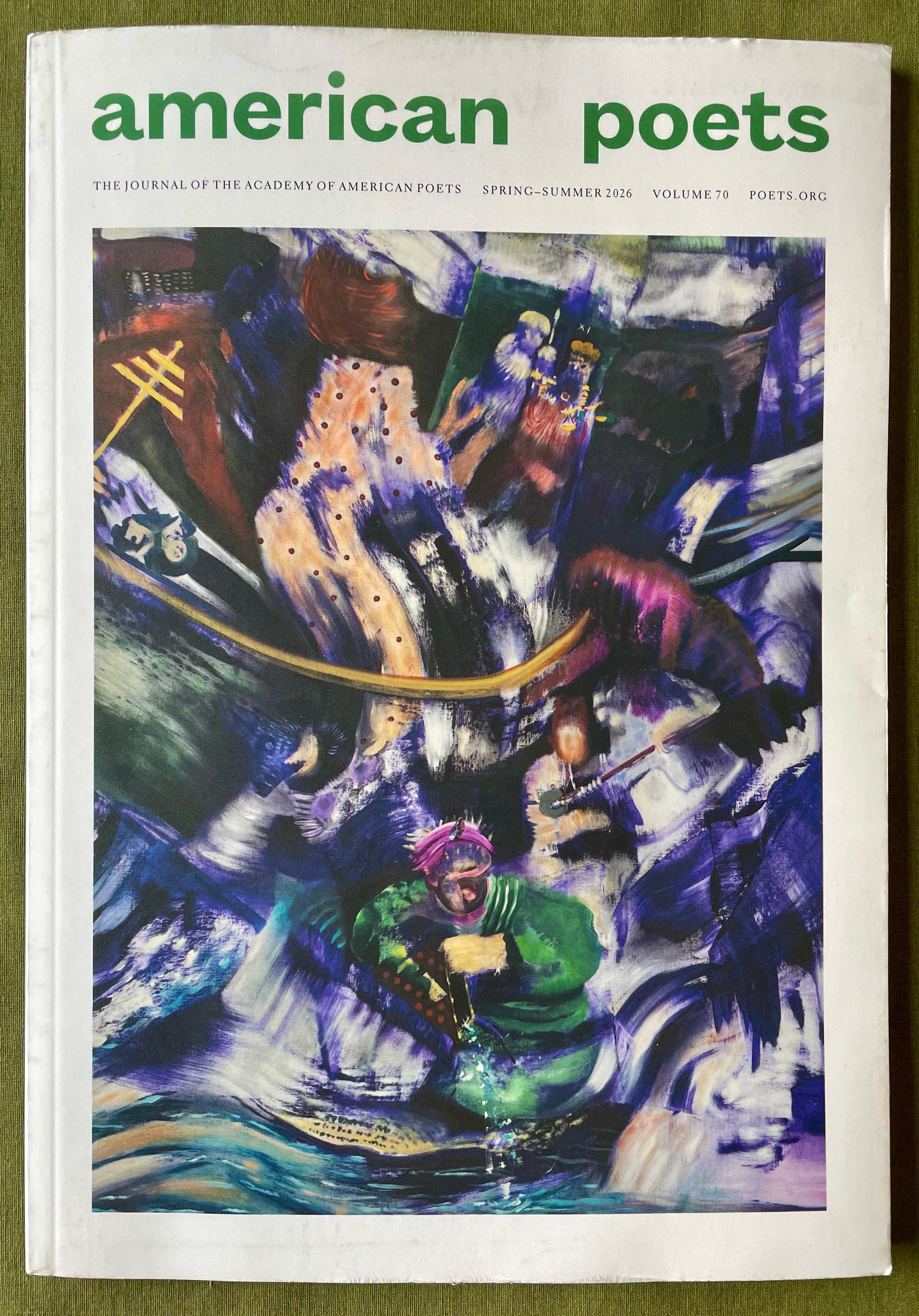
While I was in the midst of this happy yet frustrating coming-and-going, the spring-summer edition of American Poets: The Journal of the Academy of American Poets arrived in my mailbox. Flipping through it immediately because I loved its cover art—a painting called “Leviathan” by Ali Banisadr—I came upon a brief profile and two poems by Gabrielle Calvocoressi, who had recently been appointed to the Academy’s Board of Chancellors.
I’d read Calvocoressi’s poems before in The New Economy, and liked them, but I liked them even better this time around—maybe because a fellow poetry-writer and I had recently been reading them closely in order to try our hands at writing poems in their style: unflinching, generous, struggling, cascading—and often domestic and delicious in their food references.
Until I reread the second poem, “Reawakening Cistern: Recovering the Golden Thread”—you can listen to Calvocoressi read it on Instagram—I had forgotten that Calvocoressi called their poems “cisterns.” Cisterns often held water, I knew, but was that all there was to understand? Given that the second half The New Economy consists of forty-six numbered poems called “Lent Cisterns,” some of which speak about Jesus, I wondered about cisterns’ religious significance.
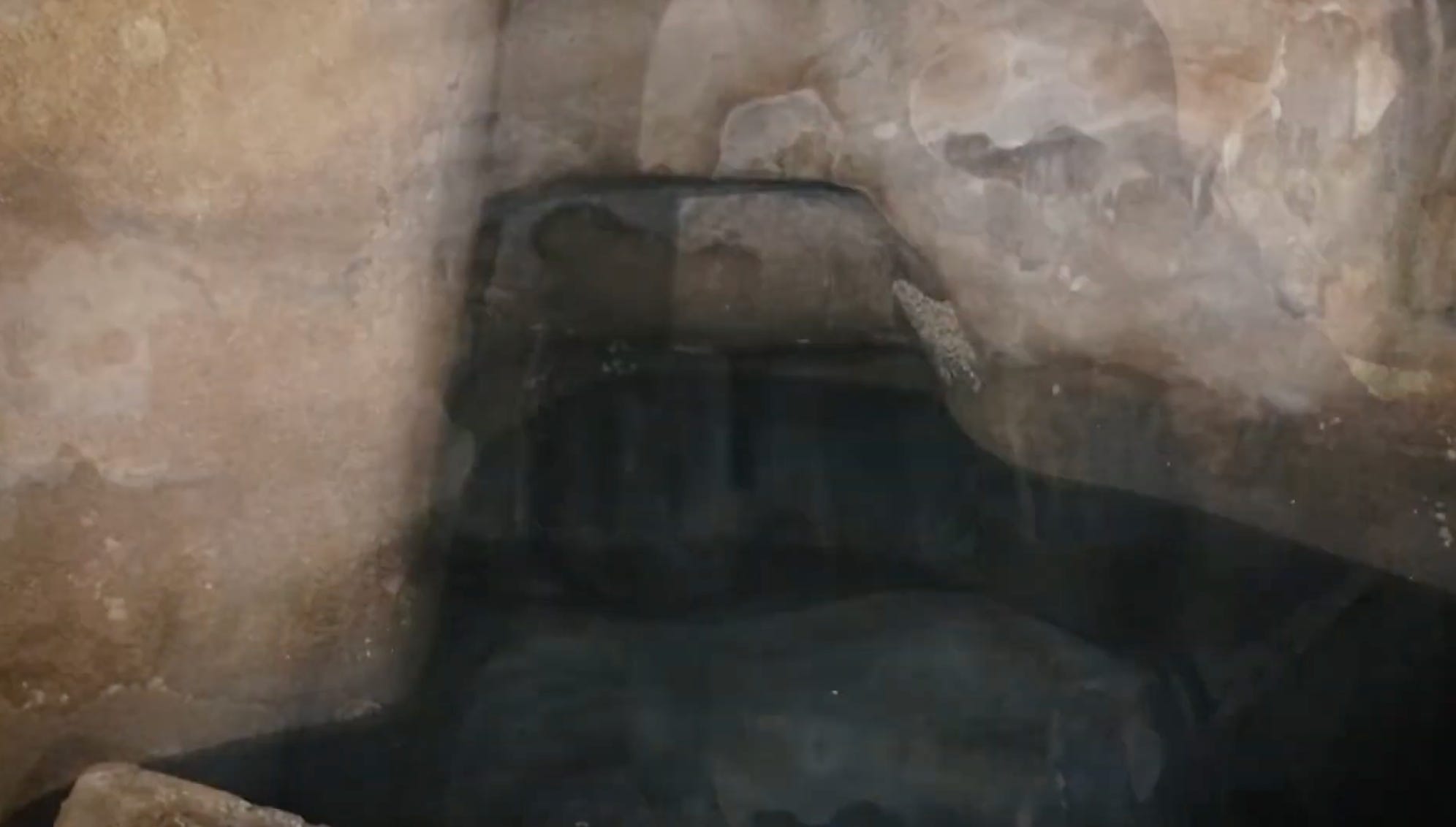
In and out of the Bible, cisterns2 are human-made containers or reservoirs designed to hold liquid. In biblical times, they provided underground storage for rainwater, a valuable commodity in arid Israel. Symbolically speaking, according to Jeremiah 2:13—”For My people have committed two evils: they have forsaken Me, the fountain of living waters, and hewed them out cisterns, broken cisterns, that can hold no water”3—intact cisterns represent devotion to God and access to the “the fountain of living waters,” while broken cisterns reflect a failure of devotion to God—a squandering of those living waters.
Though many of Calvocoressi’s cisterns contain swirling elements that often clamor to cohere in the reader’s mind, they ultimately surround and protect both physically and spiritually. Kimberly Grey’s review of The New Economy in On the Seawall talks about them this way:
Much of the book unfolds within the architecture of the cistern, a recurring metaphor that becomes a site of resonance and transformation. A cistern is, in its literal form, an underground chamber built to collect and store water, a dark and echo-rich cavity where sound reverberates long after its source disappears. Calvocoressi draws on both dimensions: the cistern as a vessel that holds what is essential but hidden, and as a resonant interior where sound — language, grief, thought — amplifies and distorts. For the speaker, the cistern becomes an inner instrument, a chamber of consciousness they descend into when the world becomes unendurable; it is where the self fragments, reforms, and sometimes refuses coherence.4
Calvocoressi’s poems aren’t easy, though their language often is. But that doesn’t prevent them from being “luminous and unflinchingly tender.”5 And I guess that was exactly what I needed during my time of poetic drought and alienation from imagination, my own and other people’s: something intriguing but tender, random but still whole.
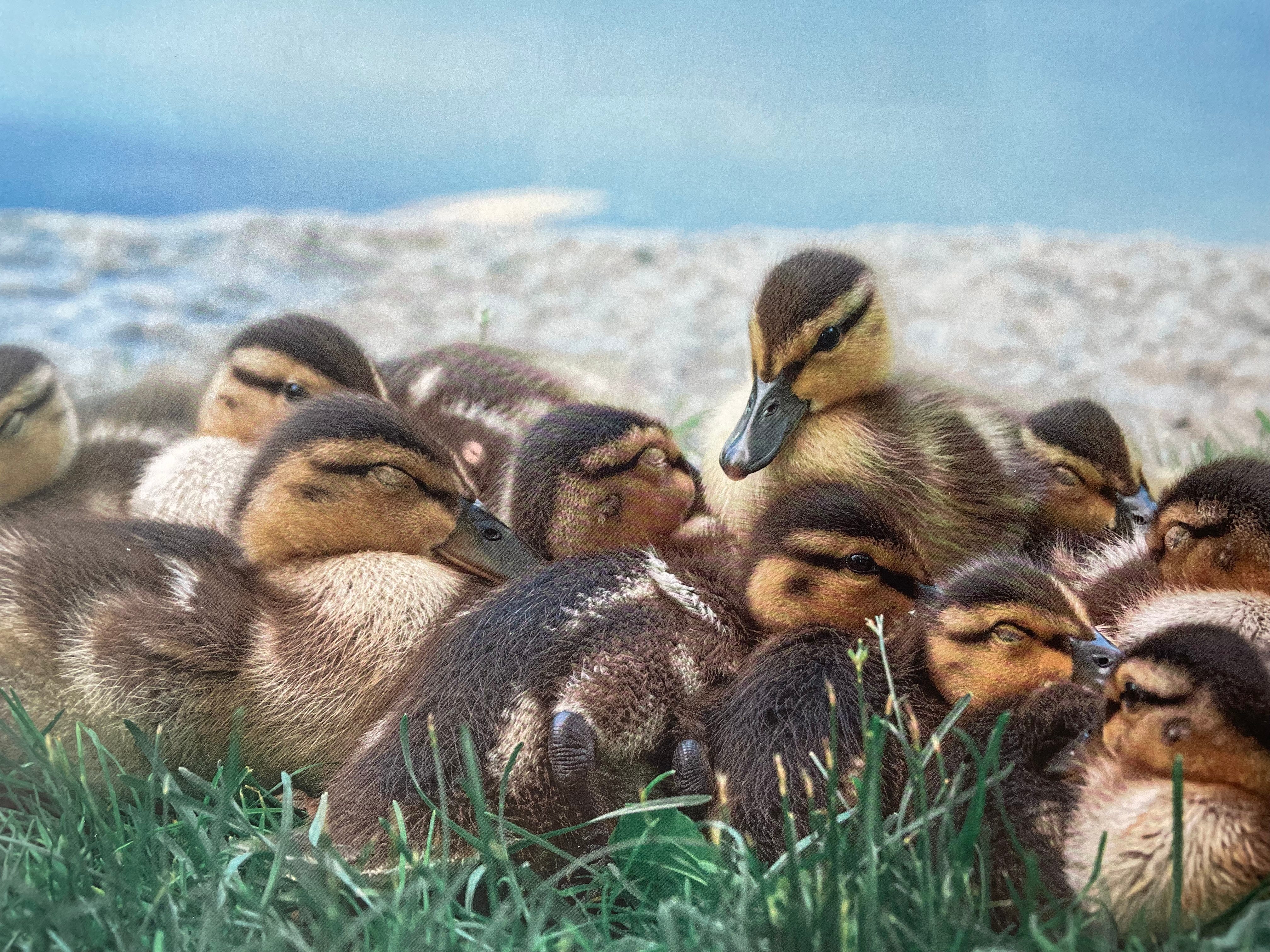
When Calvocoressi’s cistern pulled me back into the poetic fold, it also got me wondering about the why and when of receptivity to poetry more generally. I used to think that my personal receptivity to poems depended on will, openness, time, and inner space. I believed that if I had too much going on, even really good poems were apt to roll off of me like water off a duck’s back.6
But truthfully, how many times had I sat down to read poetry believing myself to be poetry-receptive as described above—and felt completely unmoved by and detached from the poems I was reading?
My recent American Poets experience gave me a new contradictory theory: I believe I was receptive to its poems because I was so busy, because I had so much to do, because I was in a drought state. True, it wasn’t my first reading of Calvocoressi. But that didn’t explain why I kept reading, liking, and appreciating the other poems in the journal: they seemed to water the parts of me that had shriveled during the month’s happy, breathless busyness. Sometimes when you need poetry, it finds you.
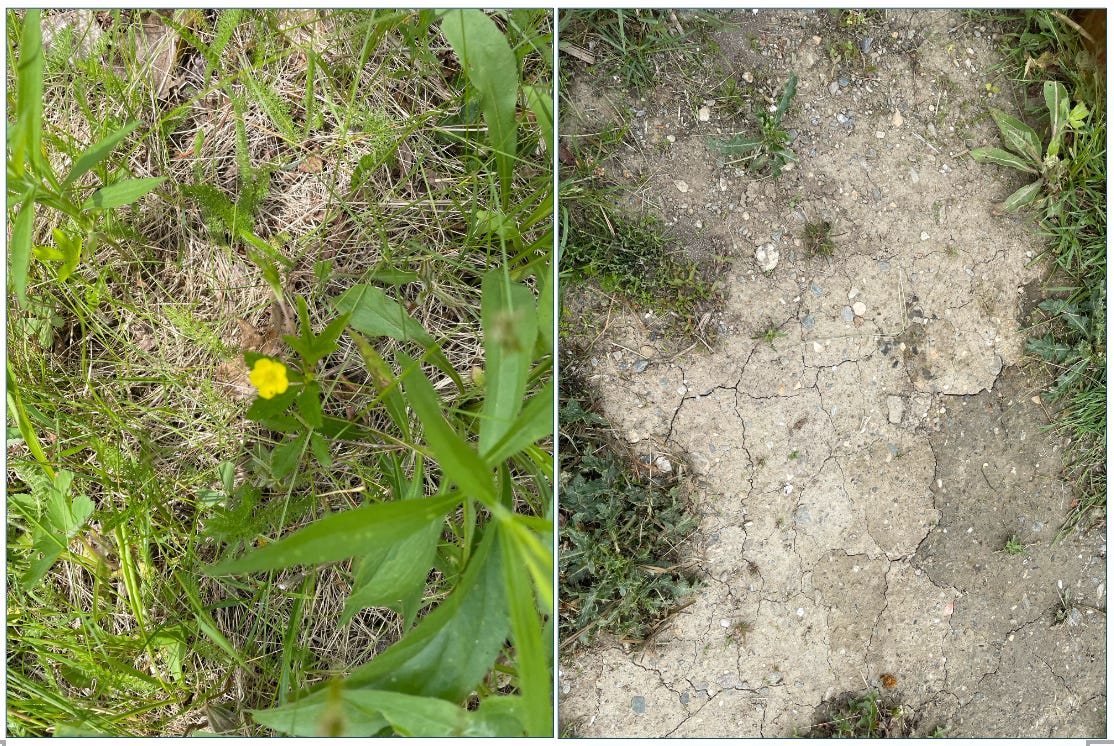
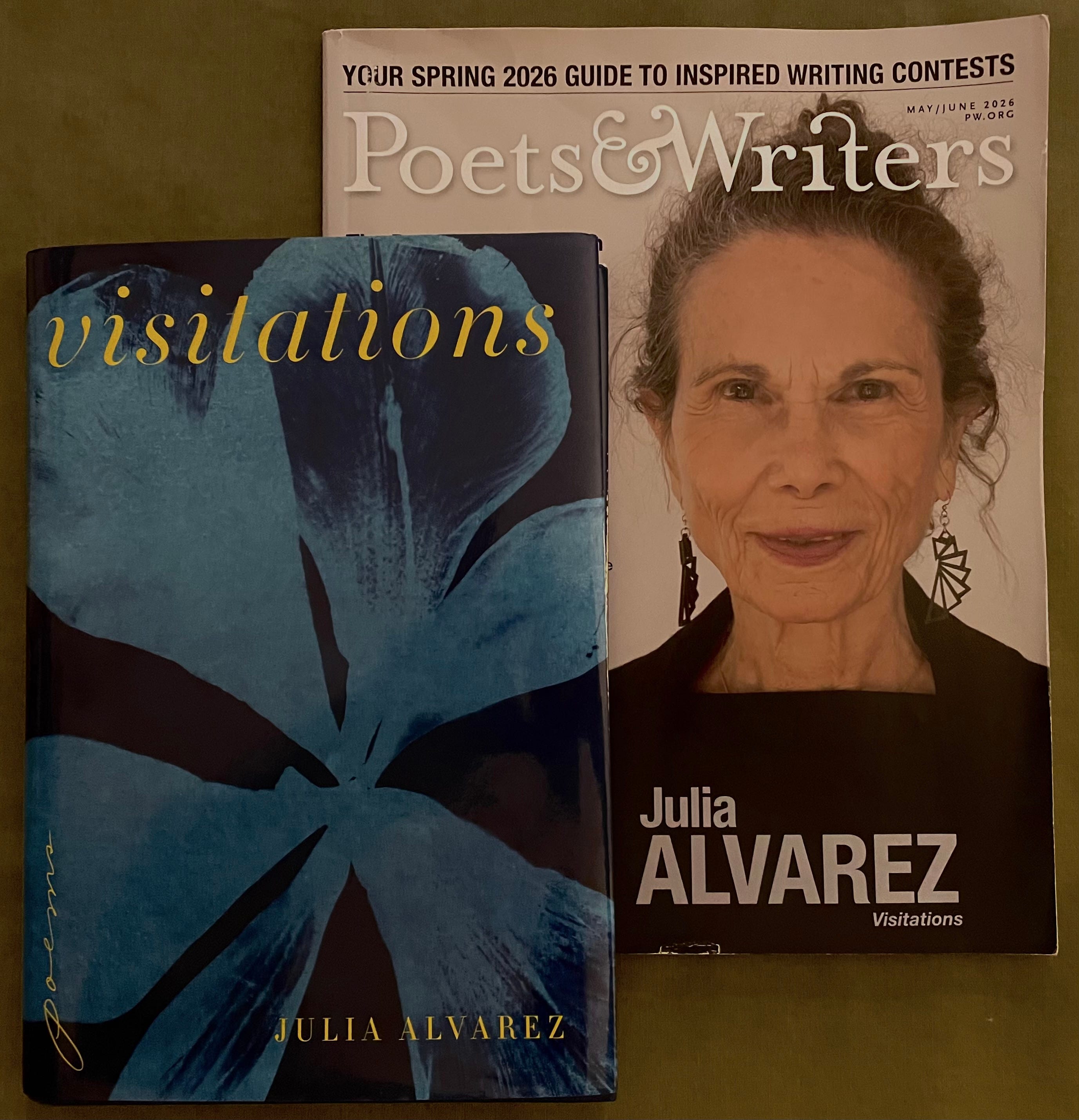
In the part of New York state just over the border from Williamstown, MA this past weekend, the scarcity of rainwater was apparent: wildflowers were emerging on grassy paths less green than they usually are in late May, while more exposed earthen paths were parched and cracked. Late Saturday afternoon, when the temperature began to drop and the clouds began to roll in, I sat down and read Julia Alvarez’s newest collection of poems, Visitations, cover to cover—not because it was my goal to “read the collection,” but because poem led to poem led to poem.
Though, at least for me, Alvarez’s book’s title conjures images of emissaries from other worlds—celestial beings and those on the other side of the grave—and Alvarez does remember people and experiences long past, it was the “visit” part of “visitations” that I most experienced: I felt as if I were spending the afternoon visiting with Alvarez, who was kindly regaling me with the wisdom-laced story-poems that created and sustained the cistern in which the two of us were spending time together.
Talk about a collection of poems that makes you want to read it! Visitations reminded me of an obvious but important truth about receptivity to poetry: it also depends on the poems one is reading. The better they are, the more apt they are to be received by the listener/reader.
And let’s face it: receiving a poem is different from being receptive to a one. The poem received has entered the heart and the mind; it does not stand waiting at some threshold while its reader/hearer decides whether to let it in, sensing its power to challenge, delight, uplift, or even transform the heart and mind. For some, transformation is inconvenient.
Maybe all books of poetry and the poems they contain are visitations. Maybe the best of them are cisterns.
What I do believe without any qualifying maybes is that whenever a person sits down to read a poem, a book of poems, or any kind of literature, he/she/their is hoping for an experience of connection and elevation grounded in a resonant encounter with “the truthful.” Poems that convey the truthful artfully and, therefore beautifully, seldom roll off ducks’ backs.
Read Gabrielle Calvocoressi’s The New Economy; read Julia Alvarez’s Visitations; read any poems you want. But read poems. And if not poems, read other works of the imagination. Imagining, feeling, and thinking need one another. And we need all of them in these parched times.
Screen shot of photo called “Floodwaters surround a farm in Craig, Missouri, on March 22, 2019” by Scott Olson / Getty Images file, accompanying Jeffrey-Wilensky, J. (2019, June 13). Heavy rains are on the rise around the world. Here’s why. MACH/ NBC News. https://www.nbcnews.com/mach/science/heavy-rains-are-rise-around-world-here-s-why-ncna1016961
Screen shot of an image on a video accompanying an episode the following YouTube video entitled “A water cistern and the prophet Jeremiah | Bible Trek – Jerusalem in the Old Testament series – 05” by Bible Trek (from Bible Society) https://www.youtube.com/watch?v=MB_-scEhc7A
Hebrew Bible online: https://mechon-mamre.org/p/pt/pt1102.htm
Grey, K. (2026, January 6). on The new economy, poems by Gabrielle Calvocoressi. On the Seawall: a community gallery of new writing, art and commentary hosted by Ron Slate. https://www.ronslate.com/on-the-new-economy-poems-by-gabrielle-calvocoressi/
See Footnote #4.
Photograph accompanying the April page of the Audubon Society 2026 Calendar.
I am so appreciative of your comments on poetry. I love poetry, but I have an ambivalent relationship to it. I often fear I won't understand a poem, and that makes me reluctant to seek them out. So I rely on recommendations from you and others to guide me toward what may appeal. I don't know much about what makes me receptive, but accessibility of the poem matters. I like poems that appear simple but plunge me deep. I'll have to think more about the fear -- fear of feeling stupid, or unlettered. But why do I care? Who's making that judgment? I still find the Judges swirling around me, despite years of pulling them out by their roots. They're pernicious, sneaky, sly. I think THEY make me non-receptive, but that begs the question of why they surface when they do. All mysterious. And important. Thanks for bringing these conundrums to my attention -- I truly appreciate it.